

In the world of construction and engineering, a structure's strength doesn't depend only on the visible steel beams or concrete — there are also small parts that play an equally important role: the fasteners that anchor foundations, bear tensile loads, and firmly hold the entire structure together.
Although they are only small parts, in reality a deviation of just a few millimeters can affect the safety of an entire project — especially in industrial work, factories, high-rise buildings, or structures that must bear specialized loads. Using off-the-shelf parts not designed for the actual site can become the source of long-term problems.
Many projects have therefore begun placing greater importance on custom-made parts, because they allow precise installation, bear loads exactly as the engineer calculated, and reduce the risk of on-site modifications that could compromise safety standards.
In this article, we'll take you behind the scenes of custom fastener work — why so many engineers and contractors choose it, and the key factors that make bespoke parts an essential aid for modern structural work.
Insights From the Field: 3 Problems Off-the-Shelf Parts Often Can't Solve
Although off-the-shelf fasteners are easy to buy and ready to use immediately, once they reach the actual site, many engineering details don't all meet the same standard — leaving many projects to face these unexpected limitations.
1. Thread length and overall length don't match the actual site
In foundation work, the concrete thickness, steel-plate level, and embedment depth are almost never the same from project to project, so off-the-shelf parts often run into problems such as:
- Threads too short to fully engage the nut
- Length longer than necessary, making installation difficult
- Needing to cut, bend, or modify parts on site
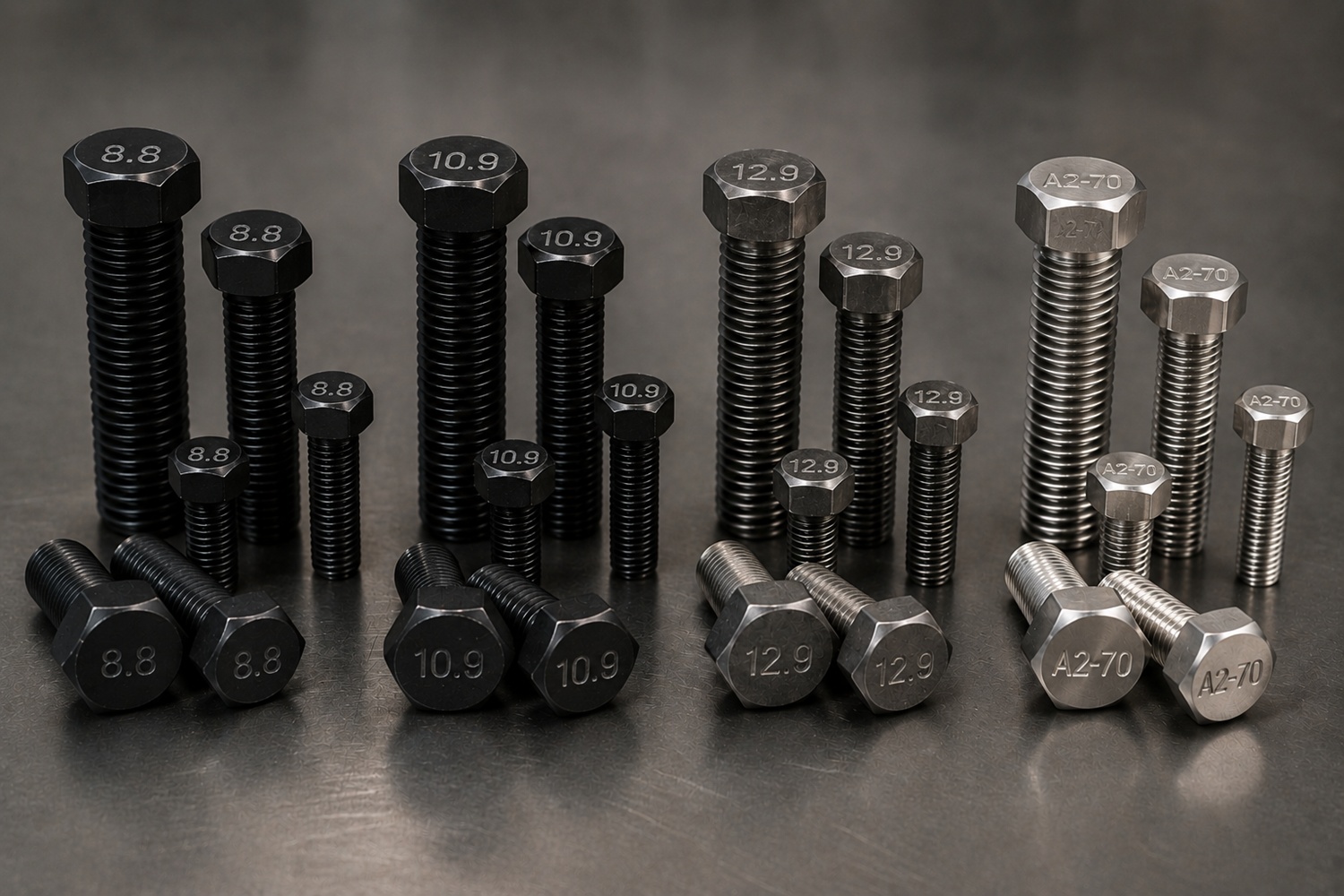
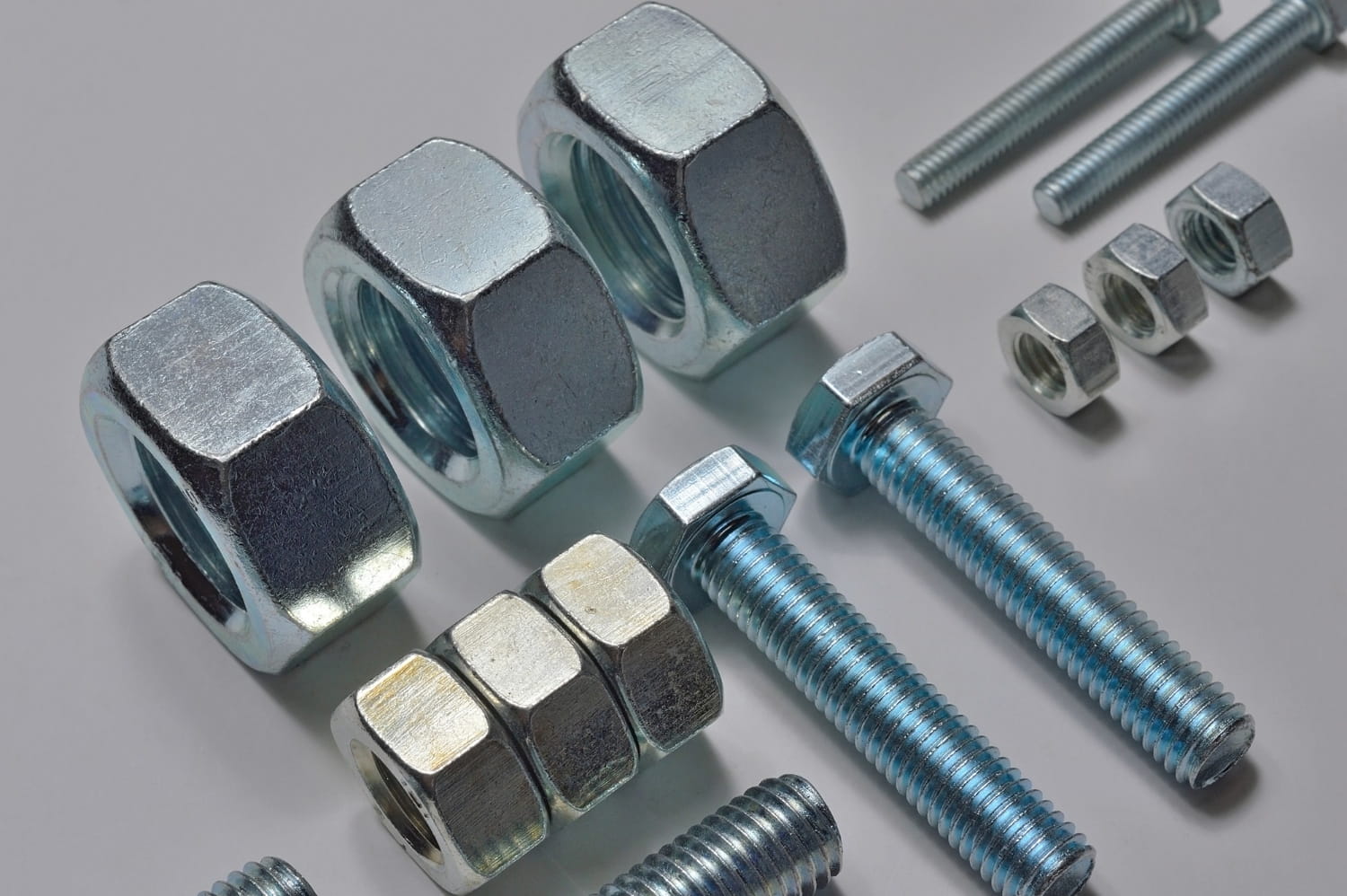
Choosing studs — and looking forcustom-made nuts and boltsto a specific design — makes it possible to set the thread length, overall length, and various specs exactly to the real engineering drawings, reducing on-site rework and making installation more precise.
2. Standard bend angles may not suit the loads the structure must bear
Off-the-shelf J-Bolts or L-Bolts are usually produced with the factory's standard bend angle, but in real structural work — especially work that must resist wind load, vibration, or high tension — the bend angle directly affects load distribution. If the shape or bend radius doesn't match the application, stress can accumulate in the steel and increase the risk of long-term deformation.
Choosing to work withan anchor bolt factorywith experience is therefore an important aid in verifying a part's suitability for manufacturing, while also advising on the form, material, or other details to match the specified drawing — ensuring the part can be used correctly and to maximum effect, based primarily on the drawings and information provided by the customer or design engineer.
3. Extra-large work that can't be found in standard off-the-shelf products
For heavy industrial work, power plants, or large piping systems, fasteners that exceed common standard sizes are often required, such as:
- Sizes from M60 and up
- Special lengths
- Specific steel grades
- Work that must bear very high tensile loads
Parts like these are usually not available on the general market, and using an item with mismatched specs can affect the entire structural system.
It's not just anchor bolts, but also studs, U-bolts, and clamping parts for industrial piping systems. Choosing astud and U-bolt factorythat understands specialized work helps make the overall system stronger, safer, and longer-lasting.
A Clear Comparison Between Off-the-Shelf Parts and Custom-Made Parts
| Factor | General Off-the-Shelf Parts | Custom-Made Parts |
| Spec accuracy | Must be adapted to available products | Made to the actual engineering drawing |
| Thread length and overall length | Limited to standard sizes | Precisely specifiable |
| Supports special sizes | Hard to find on the market | Supports oversized work |
| Suitability for the site | May require extra modification | Installs exactly to the drawing |
| Quality inspection | Batch-checked as a lot | Inspected to international standards, with certification per requirement |
| Long-term value | Risk of on-site correction costs | Better at reducing on-site problems and controlling hidden costs |
Behind the Flexibility: When the Factory Understands the Real Project Requirements
One concern for many contractors when it comes to custom work is production time and minimum order quantity, because in many factories, starting a new job requires time to set up machinery or make additional molds, so small quantities may not be worth producing.
But today, technically capable manufacturers such as Samakkee Salukpan Co., Ltd. can manage lead times far more flexibly, handling both urgent jobs and large production lots to fit perfectly with the real site timeline.
By developing specialized mold systems and production processes, we can efficiently manage the production time of special-size parts, supporting sizes from M6 up to M100 and lengths up to 1 meter, under the ISO 9001:2015 standard. Whether it's large-scale structural work, industrial factory work, or made-to-order work for a specific point, our team is ready to help verify manufacturing specs and provide professional advice to reduce on-site problems and add long-term confidence to your project.
Because Structural Safety Begins With the Small, Unseen Details
In engineering, true strength is often hidden in the spots many people overlook — and fasteners are one of the key parts that hold everything together. Choosing custom-made parts to a specific design may look like a minor detail at the start of a project, but in the long run it reduces the risk of on-site rework, increases safety, and helps the structure perform to its full designed potential.
Because in the end, a good fastener isn't just steel that has been cut and bent into shape — it's a vital part that supports the stability of an entire project and gives confidence to everyone involved, from the designer to the contractor to the project owner over the long term.